Racing Against History: Young Girls Rev Up a New Future for Formula 1
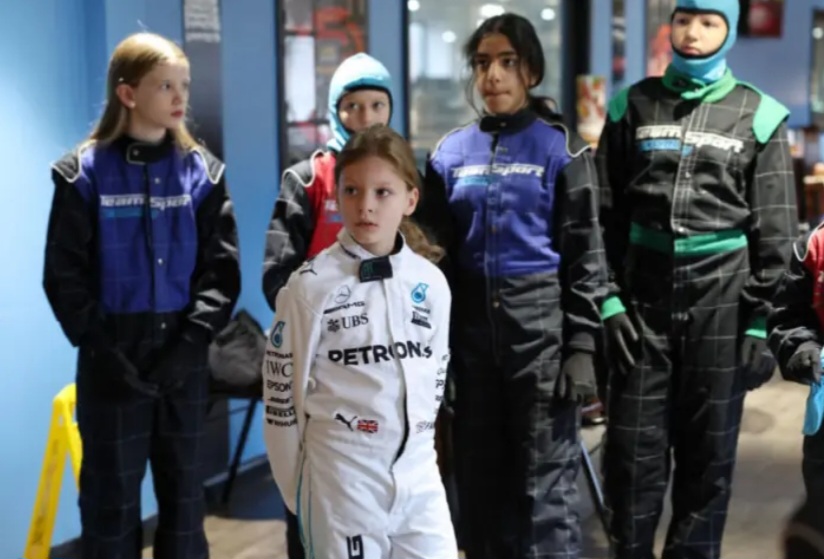
On a cool autumn day in Nottingham, the sharp hum of kart engines echoed across a local racing circuit as a group of young girls sped confidently around the track. Helmets fastened and eyes fixed ahead, the dozen participants were not just enjoying a thrilling day out — they were taking part in a pioneering initiative designed to open the doors of motorsport to more women and, perhaps one day, reshape the future of Formula 1.
The October test session was organised to confront one of Formula 1’s most persistent challenges: its striking lack of female drivers. Despite its reputation as one of the most glamorous and technologically advanced sports in the world, F1 has not seen a woman compete in a Grand Prix since Italian driver Lella Lombardi in 1976. According to organisations focused on gender equality, this absence is closely linked to the fact that many girls are simply not introduced to motorsport early enough.
Research from the non-profit organisation More Than Equal highlights this imbalance clearly. On average, girls begin karting around two years later than boys, a critical delay in a sport where early development is often decisive. For comparison, seven-time world champion Lewis Hamilton first climbed into a kart at just eight years old, setting him on a path to the very top.
“These sessions represent the first meaningful step a young girl can take into motorsport,” explained Cameron Biggs, Motorsport UK’s coaching and academy pathway manager. “Our goal is to create a clear connection between grassroots opportunities and elite-level racing.”
The excitement among the participants was unmistakable. Many were experiencing karting for the first time, yet their enthusiasm quickly overcame any nerves. Some had been inspired after watching Formula 1 races on television, while others were encouraged by supportive parents. The event, backed by cosmetics brand Charlotte Tilbury, aimed to make motorsport feel both accessible and inclusive.
The girls showed little fear of the speed, roaring engines or the responsibility of controlling a powerful machine long before they would be old enough to drive on public roads. Eleven-year-old Megan proudly shared that she finished first on her second run, while Erin, also 11, credited her regular F1 viewing for helping her understand racing lines and track strategy.
This grassroots effort highlights a wider contradiction within the sport. Formula 1 boasts a global fanbase of more than 827 million people and is one of the few major sports where men and women are not separated by gender. Yet it remains overwhelmingly male. Lauren Forrow, head of driver development at More Than Equal, believes the current system has failed to nurture female talent effectively over the past five decades.
Determined to change that narrative, the organisation has set an ambitious goal: not just to place a woman on the Formula 1 grid, but to develop a driver capable of winning. For eight-year-old Thea, the message to other girls was simple and powerful — be confident, be brave, and enjoy the experience.