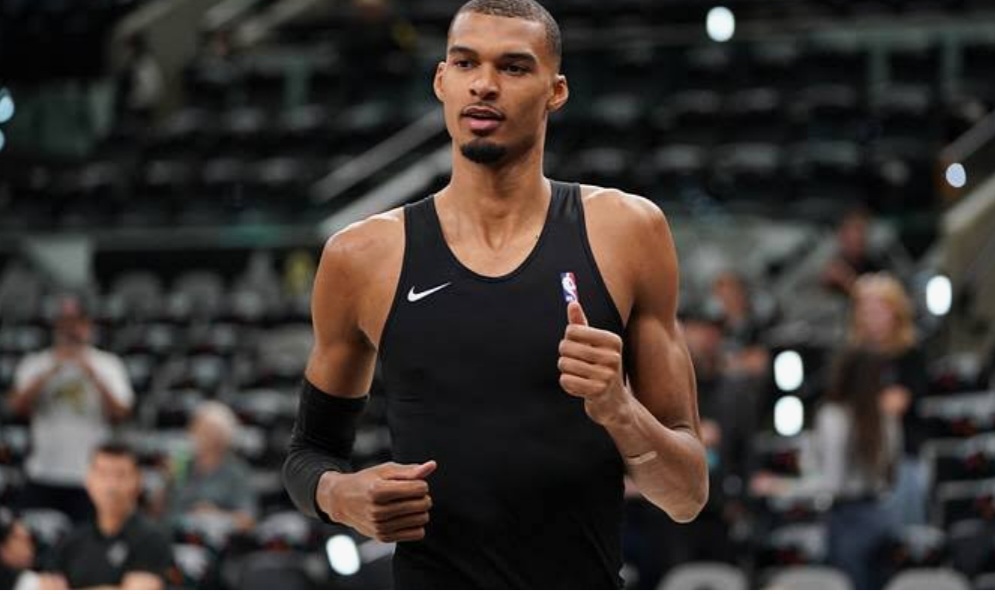
Victor Wembanyama Just Pulled a Tim Duncan Move—and the NBA Should Be Worried
Victor Wembanyama has already become the face of the San Antonio Spurs, but his latest decision has endeared him to the franchise and its fans even more. By reportedly accepting significantly less than he could have commanded, Wembanyama has followed a path that Spurs legend Tim Duncan made famous—putting the team’s long-term success ahead of maximizing his own earnings.
Duncan’s willingness to sacrifice financially became one of the defining moments of the Spurs’ dynasty. After the 2010-11 season, he signed a team-friendly three-year, $30 million contract, giving San Antonio the financial flexibility to stay below the luxury tax while surrounding him with key contributors. That flexibility helped the Spurs retain and develop players such as Danny Green and Kawhi Leonard while adding important veterans like Boris Diaw and Patty Mills, ultimately laying the foundation for another championship run.
Now, Wembanyama appears to be embracing that same philosophy. Rather than taking every dollar available, the franchise cornerstone has prioritized roster flexibility, giving the Spurs a valuable competitive advantage in an era dominated by strict salary cap rules and the NBA’s second apron restrictions.
The timing of that flexibility is especially important. De’Aaron Fox is already on a maximum contract, while Wembanyama’s larger extension will not begin until after next season. By staggering those major salaries, San Antonio should have multiple years before its payroll reaches the league’s most restrictive financial thresholds. As Stephon Castle and Dylan Harper continue their development, the Spurs will be in a stronger position to reward their young stars without immediately sacrificing roster depth.
That breathing room has already allowed San Antonio to remain aggressive. The Spurs have added another first-round pick, selected Tarris Reed Jr., and strengthened their rotation by signing Tobias Harris with the mid-level exception. Combined with the expected growth of Wembanyama, Castle, and Harper, the organization is building one of the NBA’s most promising young cores.
Looking ahead, the Spurs also have reason to monitor future Collective Bargaining Agreement negotiations. If the NBA eventually modifies or removes the second apron following the 2027-28 season, San Antonio could gain even greater flexibility to retain its emerging core and maintain a deep, championship-caliber roster for years to come.
Regardless of what happens with the CBA, Wembanyama’s willingness to sacrifice has already expanded the Spurs’ championship window. Much like Duncan before him, he understands that sustained success often requires personal compromise. That mindset could prove just as valuable as his extraordinary talent, giving San Antonio every opportunity to build another title contender—and perhaps even the NBA’s next great dynasty.